
Sustainability at


Racer Medical

Sustainability is a shared responsibility. At Racer Medical, we believe responsible manufacturing is essential to the long-term success of a CDMO. As global expectations continue to evolve, we are committed to reducing environmental impact while maintaining the highest standards of quality, reliability, and performance.

Traditional manufacturing processes can be energy-intensive and resource-heavy. We actively address these challenges through a structured, practical approach focused on measurable improvements across operations, energy usage, materials, product design, and manufacturing processes.

Sustainable Operations

Sustainability at Racer begins at each of our manufacturing facilities. We continuously invest in operational practices that reduce environmental impact while maintaining operational excellence.

Sustainable Operations
Electric trucks, forklifts, and low-emission vehicles are used for internal logistics and site operations to reduce reliance on fossil fuels.
Efficient production planning and optimized delivery routes help lower transportation-related emissions across our supply chain.
Sensor-based lighting systems adjust automatically based on real-time occupancy and environmental conditions.
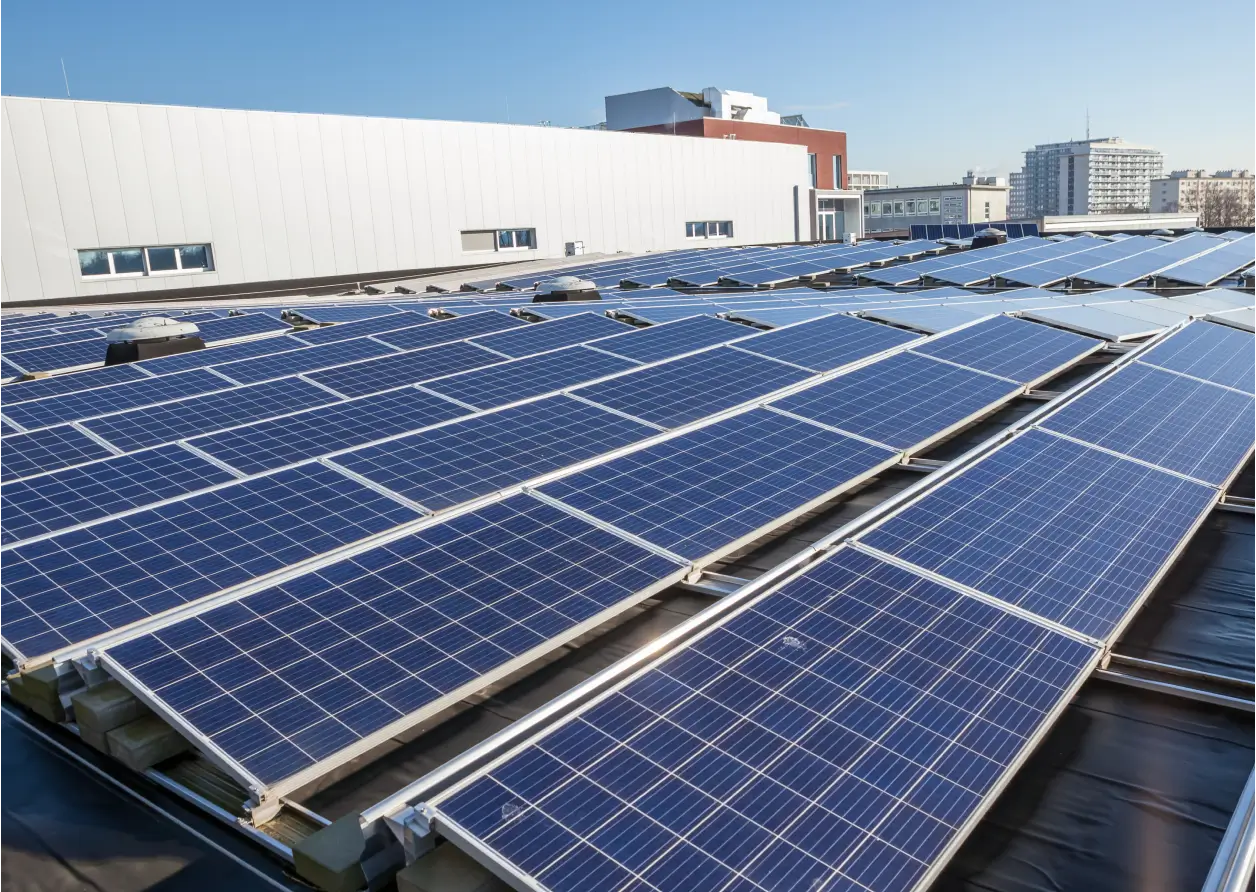
Solar panels are implemented to supplement facility power with renewable energy sources.
Smart sensors and monitoring systems are deployed across equipment and utilities, enabling real-time tracking of energy consumption and machine performance. These systems support early detection of inefficiencies and continuous improvement.
Sustainable and recyclable packaging methods are adopted where applicable.

Energy Savings Through Smart Manufacturing

Energy efficiency is a key pillar of our sustainability strategy.

Energy Savings Through Smart Manufacturing
Energy-efficient injection molding machines and automation equipment are utilized to reduce power consumption without compromising precision or throughput.
Process optimization, including cycle-time reduction and temperature control, minimizes unnecessary energy usage.
Data-driven energy monitoring enables improved load balancing, peak demand reduction, and ongoing efficiency gains.
Energy monitoring and management systems are used to identify and reduce energy consumption across production areas.
Smart manufacturing and Industry 4.0 technologies enable real-time monitoring, predictive maintenance, and tighter process control.

These initiatives not only reduce our carbon footprint but also enhance operational stability and cost efficiency for our customers.

Design for Sustainability

True sustainability begins at the design stage. We work closely with customers through early R&D and engineering collaboration to reduce product disposability and environmental impact.

Design for Sustainability
Design-for-Manufacturing (DFM) and Design-for-Assembly (DFA) approaches improve durability, reduce part count, and enhance product reliability.
Modular and serviceable designs are supported where feasible to extend product life cycles and reduce waste.
Early engineering engagement helps prevent over-design, excessive material usage, and avoidable waste during later production stages.
Rapid prototyping and additive manufacturing reduce unnecessary tooling iterations, minimizing material usage and development time.

By designing smarter from the outset, we reduce environmental impact across the entire product lifecycle.

Sustainable Materials Selection

Material selection plays a critical role in sustainable manufacturing.

Sustainable Materials Selection
We actively evaluate and support the use of bio-based plastics derived from renewable resources where performance, safety, and regulatory requirements permit.
Recycled and alternative materials are considered in collaboration with customers to balance sustainability objectives with functional and compliance needs.
Our engineering teams provide guidance on material trade-offs, ensuring sustainability goals are achieved without compromising quality, reliability, or regulatory compliance, particularly for medical applications.

Waste Reduction and Process Control

Waste reduction is embedded throughout our manufacturing operations.

Waste Reduction and Process Control
Paper usage is minimized through a fully integrated digital quality management system (QMS), including digital Device History Records (DHRs), Design History Files (DHFs), training records, and inspection reports.
Lean manufacturing principles are applied to reduce scrap, rework, and excess inventory.
Recycling and reuse of materials, including controlled use of regrind under Underwriters Laboratories (UL) guidelines where permitted, help reduce raw material consumption.
Hot runner mold designs are implemented to minimize runner waste, startup scrap, and unnecessary material usage.
Continuous process improvement initiatives drive higher yields, improved consistency, and fewer rejected parts.

Building a More Sustainable Future

Sustainability at Racer Medical is a long-term commitment, not a one-time initiative. We believe continuous improvement, innovation, and strong partnerships are essential to creating meaningful environmental impact.

Our goal is to support our customers’ sustainability objectives while strengthening manufacturing performance. As expectations for responsible manufacturing continue to grow, we remain committed to building a future that is efficient, responsible, and resilient—for our customers, our industry, and our planet.

Trusted CDMO for Sustainable Operations

Partner with a CDMO with best sustainability practices